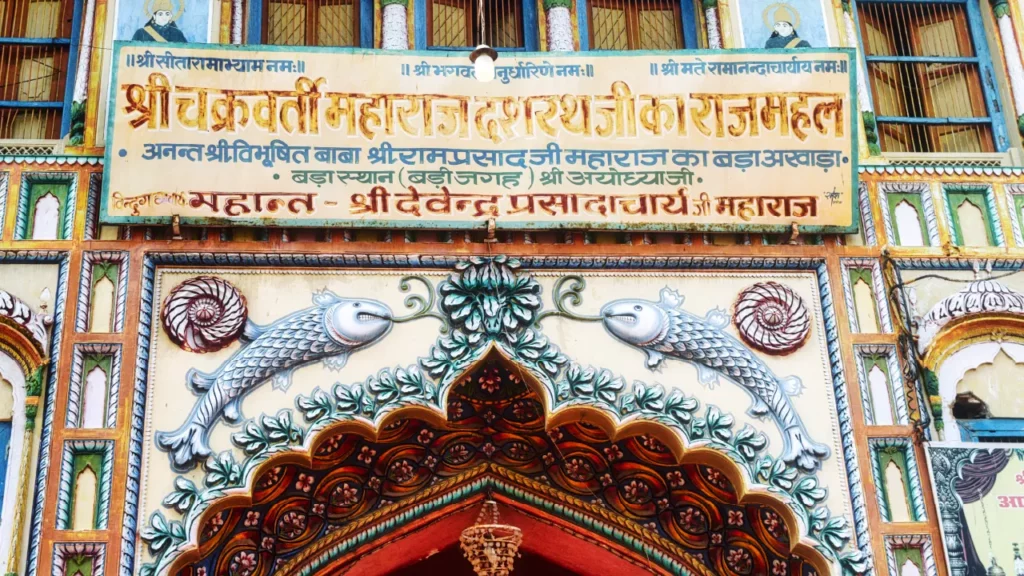
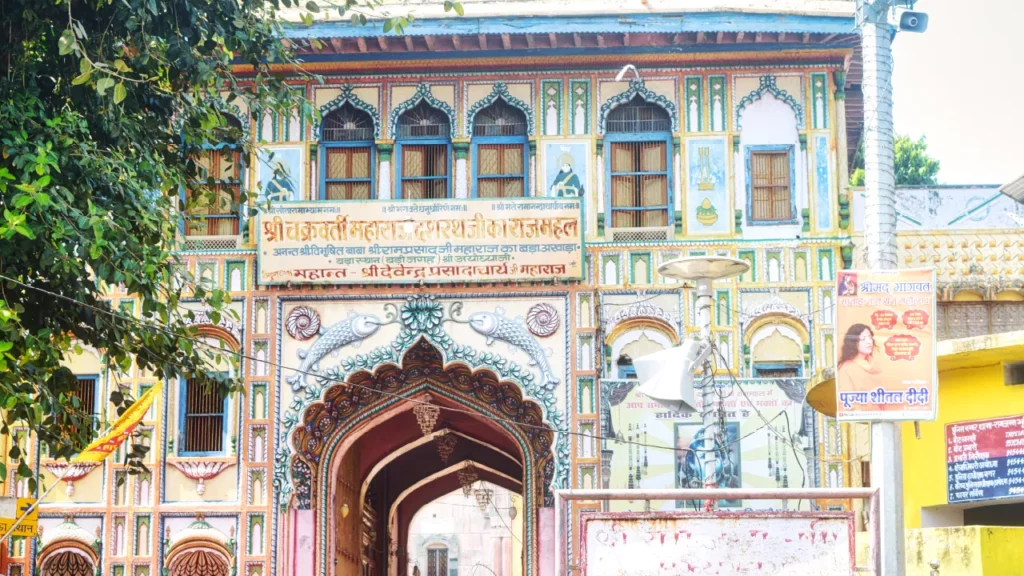
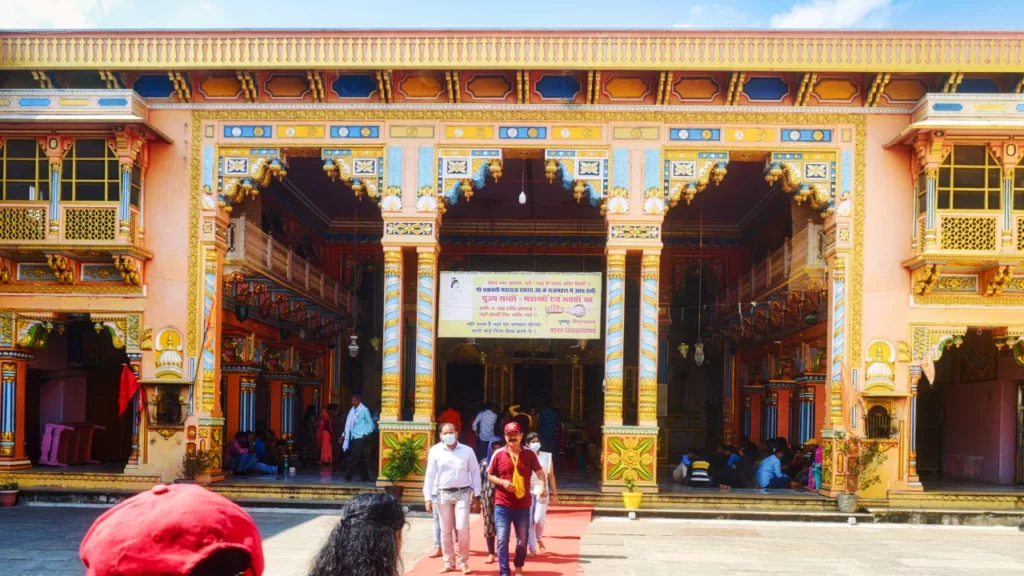
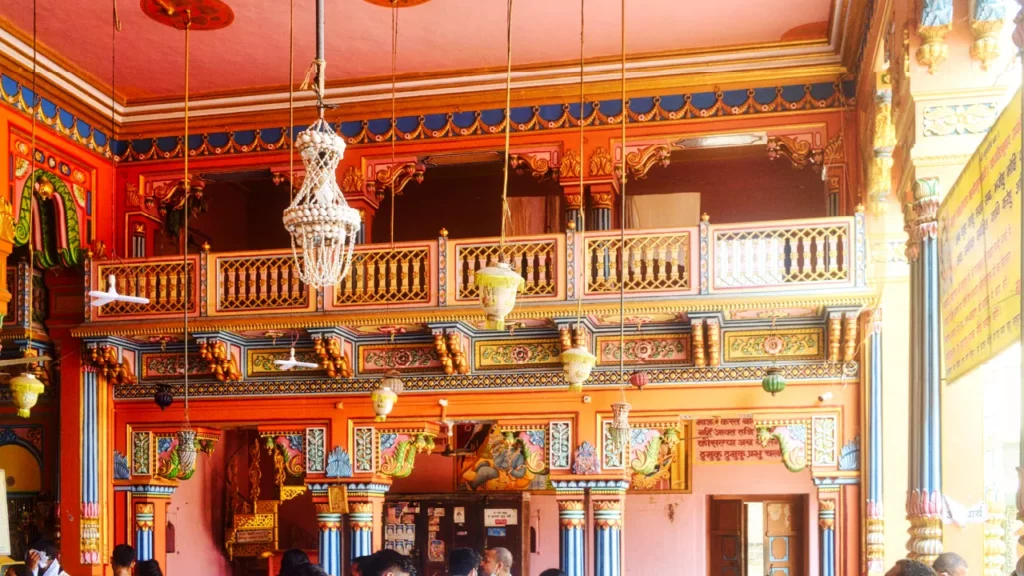
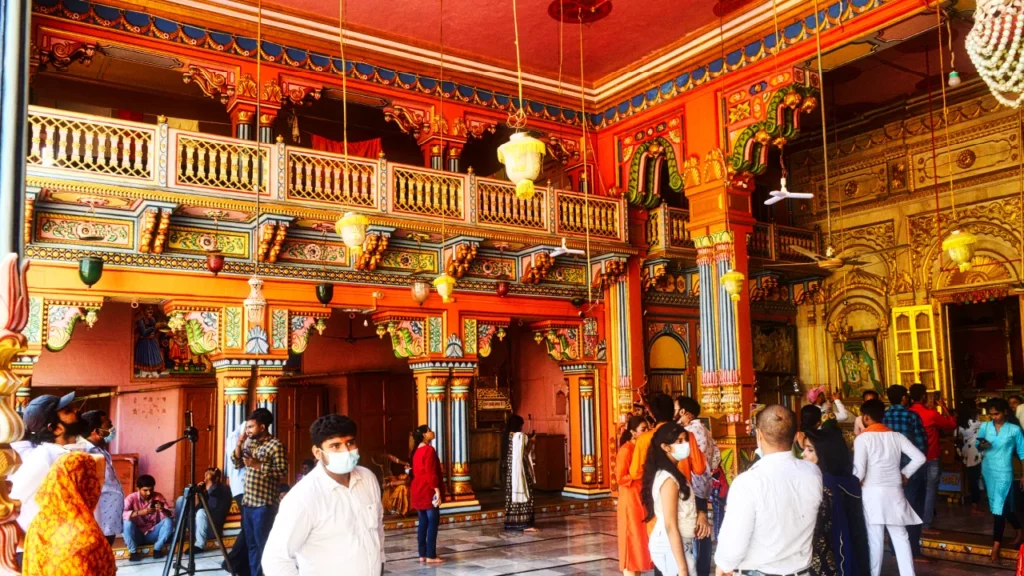
Dashrath Mahal — also known as Dashrath Bhawan or Bada Asthan — occupies a place in Ayodhya’s sacred geography that is at once historical and deeply personal. This is not a temple built in commemoration of a deity’s deed; it is, according to tradition, the actual palace where King Dasharatha lived and ruled, where Lord Ram spent his childhood, and where the fateful decisions that set the Ramayana in motion were made. To walk through its gates is to enter the domestic space of the Ramayana — the rooms, the courtyards, the thrones that witnessed not just the grandeur of Ram Rajya but also its grief.
King Dasharatha: The Father Whose Love Broke the World
Dasharatha is one of the most complex figures in the Ramayana. He was the emperor of Kosala, sovereign of Ayodhya, a warrior of legendary skill (his name itself means “one who can fight in ten directions simultaneously”), and the father of Ram, Bharat, Lakshman, and Shatrughna. He had everything that Sanskrit literature identifies with a just king: wealth, power, heirs, and righteousness. And yet his story is ultimately one of irredeemable sorrow.
The Ramayana tells us that Dasharatha had made a promise to Queen Kaikeyi in their youth — a promise to grant her two boons whenever she asked. When she finally claimed those boons, demanding that Ram be exiled for fourteen years and that her own son Bharat be crowned king, Dasharatha found himself trapped between his love for Ram and his sacred duty to keep his word. He could not override his promise, and he could not bear the separation from Ram. The Valmiki Ramayana describes his death not from illness or old age but from grief — he died calling out Ram’s name, unable to survive the separation from his eldest son. Dashrath Mahal is the place where this tragedy unfolded.
The Palace Turned Temple
What was once a royal residence has, over centuries, been transformed into a religious complex centred on Ram worship. The palace now houses shrines to Ram and his brothers, and the atmosphere — saffron-robed monks chanting mantras, the sound of bells, the fragrance of incense — is that of an active temple rather than a museum or archaeological site. The structure retains elements of its royal past: there is an ornately designed entrance gate with carved decorations, and the murals inside depict scenes from the Ramayana with the specificity of a palace narrative rather than the generalised devotional imagery of a public temple.
Within the complex, the shrines to the four brothers — Ram, Lakshman, Bharat, and Shatrughna — are arranged to reflect the fraternal bond that is one of the Ramayana’s central themes. The image of Bharat, in particular, carries great significance here: it was to Dashrath Mahal that Bharat returned after Dasharatha’s death to learn of Ram’s exile, and it was from here that he undertook the famous journey to the forest to beg Ram to return. That Bharat’s footwear — received from Ram as a symbol of the throne — is venerated at this site adds a dimension of personal grief and political sacrifice to the devotional atmosphere.
Ram Rajya and the Moral Architecture of the Palace
In the Ramayana, Ayodhya under Dasharatha is described as a city of perfection — well-governed, prosperous, educated, and just. The Bala Kanda of Valmiki Ramayana opens with an extended description of Ayodhya that almost reads like a utopian blueprint: wide roads, thriving markets, skilled artisans, learned Brahmins, and a king who ruled without partiality. Dashrath Mahal, as the seat of that governance, represents not just the private life of one family but the administrative and moral centre of Ram Rajya.
This is why pilgrims come here not only to venerate Ram but to connect with the idea of righteous kingship that the Ramayana places at the foundation of Hindu political thought. Dasharatha’s choices — however painful — were always governed by dharma. His willingness to fulfil his promise to Kaikeyi even at the cost of his own life is held up as the highest example of satya-vrata, the vow of truth. Visiting Dashrath Mahal is, for many devotees, an act of remembering that the foundations of Ram Rajya were built on exactly this kind of personal sacrifice.
Festivals and Seasonal Celebrations
Several major festivals bring Dashrath Mahal to life across the year. Ram Navami, celebrating Ram’s birth, is the largest, drawing pilgrims from across northern India who fill the palace courtyards with devotional singing and ritual worship. Vivah Panchami, marking the wedding of Ram and Sita, is celebrated with elaborate ceremonies. Diwali at Dashrath Mahal carries particular resonance — this is, after all, the palace to which Ram returned after his exile, and the illuminations that fill the complex on Diwali night recreate that original homecoming.
The Karthik Mela (during the month of Kartik, October-November) and Shravan Mela (July-August) also see considerable footfall, as devotees combine their month-long religious observances with visits to Ayodhya’s major shrines. During these melas, the entire area around Dashrath Mahal becomes a continuous camp of pilgrims, with kirtan and bhajan continuing through the night.
Visiting Dashrath Mahal
The complex is located in the Ramkot area of Ayodhya, close to the Ram Janmabhoomi temple and within walking distance of Kanak Bhawan and Hanuman Garhi. The Ramkot locality is the highest ground in Ayodhya and is considered the most ancient part of the city — the area that corresponds most closely to the Ayodhya of the Ramayana. Visiting early in the morning, before the heat builds and before the peak pilgrimage crowds arrive, gives you the best chance to experience the quieter, more contemplative dimension of this extraordinary site.
For a complete guide to planning your visit, see our Ayodhya pilgrimage guide, which covers all the major temples, the best routes, accommodation options near the holy city, and practical advice for first-time visitors. Our Varanasi-Prayagraj-Ayodhya 3N/4D tour package connects Dashrath Mahal with the other great pilgrimage centres of the Ganga belt in a single well-managed journey.